Behind the Scenes
The Color Kitchen: Natural Dyeing Secrets Revealed

Step into the world of natural dyeing, where ancient recipes transform plants and minerals into the vibrant colors that define Chaleur pieces.
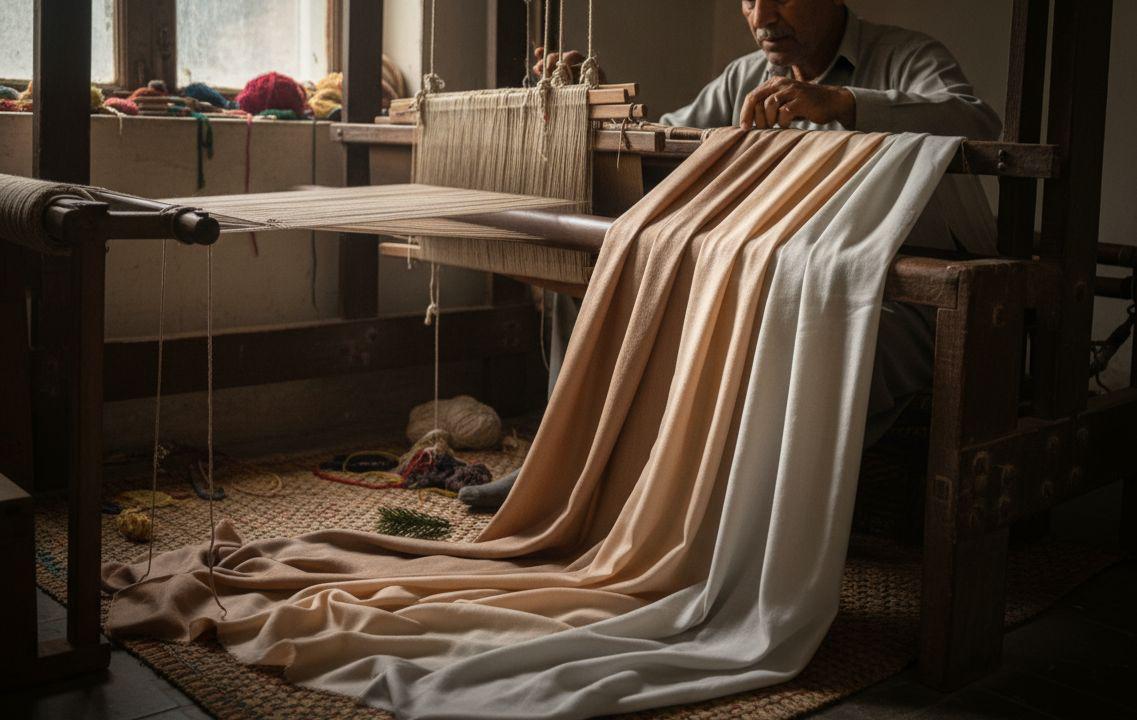
In a small building behind our partner workshop, Lakshmi tends a collection of bubbling pots that wouldn't look out of place in an alchemist's laboratory. She is a master dyer, and her workspace is the color kitchen.
The Palette of Nature
Indigo from fermented leaves creates blues that deepen with each dip. Pomegranate rinds yield golden yellows. Madder root produces reds that range from coral to burgundy depending on mordants used. Each color requires different techniques, timing, and temperatures.
The Mordanting Mystery
Mordants—mineral salts that help dye bond to fiber—are the secret to colorfast natural dyeing. Alum produces bright, clear colors. Iron "saddens" them toward gray. Different mordants with the same dye can produce entirely different results.
Seasonal Considerations
"The same recipe gives different colors in summer and monsoon," Lakshmi explains. "Humidity, temperature, even the time of harvest for plants—everything matters." This variability, once seen as a limitation, now marks pieces as authentically natural.
The Dyeing Process
Fabric may spend hours or days in a dye bath, depending on the depth of color desired. Lakshmi checks constantly, pulling samples, comparing to reference swatches, making adjustments. "There is no exact formula. You must watch and feel."
Each naturally dyed piece carries the knowledge of generations and the patience of masters. Color, when made this way, is a craft unto itself.